Mentoring sounds simple: pair someone less experienced with someone who's been there before, and let the knowledge rub off. In practice, years of skill and judgement don't transfer between human brains that easily. Good mentoring is a thinking partnership, and our tools below show how to make it work for both mentor and mentee.
Mentors play many roles, often in the same conversation. The 8 Hats name them, so mentors can see which ones they lean on and which they overlook.
.png?width=800&height=533&name=Brix44_Mentoring%208Hats_Watermarked%20(2).png "Brix44_Mentoring 8Hats_Watermarked (2)")
Contract. Good mentoring starts with a clear agreement about what both parties want from the relationship, how you'll work together and what good looks like. Agreeing this upfront makes honest conversations easier later on.
Adapt. Mentoring is often reduced to giving advice, but when a mentor simply hands over the answer, they take the thinking, and the ownership, with it. The best mentors adapt instead. Sometimes they tell, sometimes they do teach how and why, and sometimes they coach the mentee to find their own answer.
Top Right. Picture a grid with trust on one axis and challenge on the other. Many mentoring relationships are high trust, low challenge: warm and pleasant, but they don't change much. Great mentoring belongs in the top right, where trust is strong enough for real challenge to be welcomed. That's where ownership, confidence and lasting change come from.
A mentor helps you think. A sponsor uses their influence to open doors and speak up for you when you're not in the room. The strongest mentoring relationships often grow to include both, so it's worth being deliberate about when and how that happens.
Join Dulcie Swanston and her co-authors, for a free, 90 minute masterclass on Mentoring. Bring your lunch and your questions. Dulcie will show you how to use the CAT model and the Mentoring 8 Hats to get more from every conversation. So, whether you're a mentor, a mentee or setting up a mentoring programme, you won't want to misss this. Places are limited, so reserve your place below.
FREE LUNCH & LEARN SESSION
MENTORING DONE BRILLIANTLY
This session has ended. The replay is on its way.
Reserve My Place (opens in a new tab)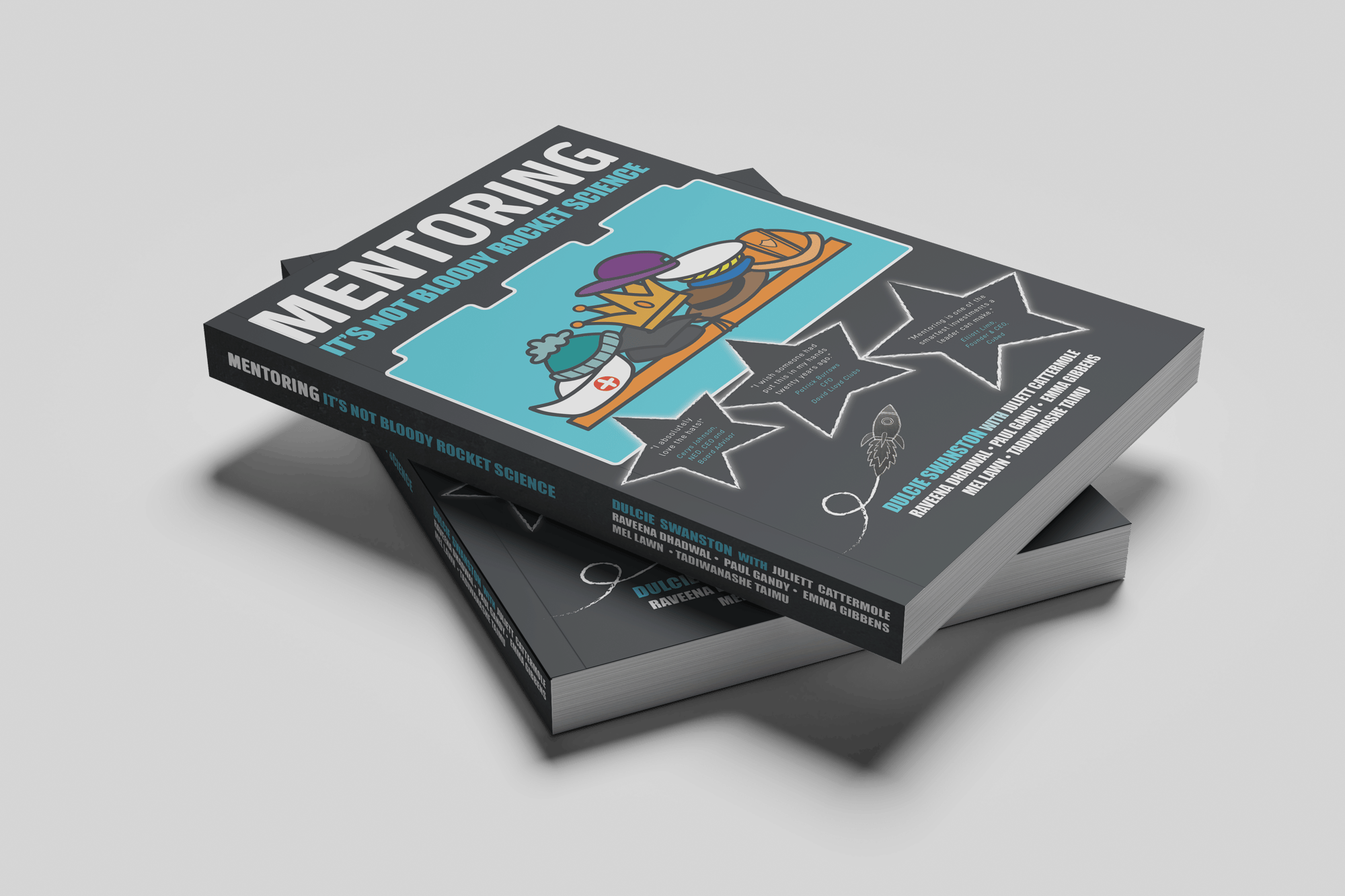
Listed below, are questions you may have as a Mentor, a ‘Mentee’ (we prefer the term Mentoring Partner) or if you are organising mentoring in your organisation as a manager or HR leader. Questions that either we were asked in our research, or that came up for us as a group – and we answered together.
To receive a copy of the comprehensive list of all the FAQs that appear at the end of each book chapter, simply click here.
The page numbers referenced throughout, refer to the page in the original book so that you can find that FAQ easily – and perhaps read the chapter or story that precedes it.
To book time with one of our Mentors, simply hover over the image below and click on the 'Get Started' button.
.png?width=750&height=750&name=CJ_BW_No%20Logo%20(17).png)
Sheena is a highly experienced MCC coach and ICF-accredited supervisor with over 8,000 hours of corporate coaching since 2000, working at Board and sub-board level with senior teams, individuals, and future talent across multiple sectors and countries.
Known for her intuition, directness, and blend of challenge with empathy, she helps leaders get out of their own way, address long-held obstacles, and navigate complex challenges — resulting in visible change and leaders who move forward with authenticity and conviction.
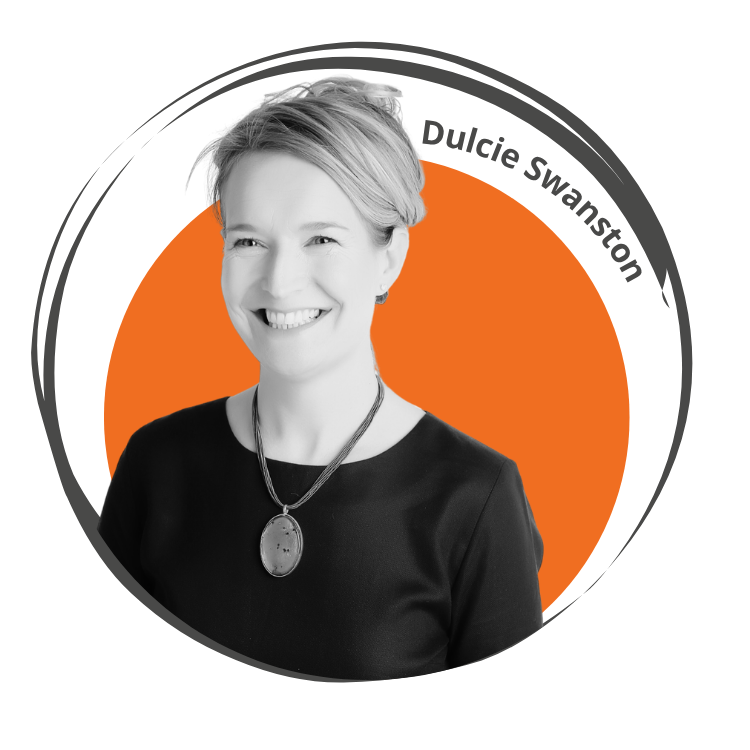
Dulcie Swanston is a Master Accredite Coach, Fellow of the CIPD, and experienced coach supervisor with over 15 years’ experience supporting leaders and organisations.
With experience coaching internationally, working with C-suite leaders, and introducing coaching cultures within organisations, Dulcie brings practical insight, challenge and warmth to supervision conversations.
.png?width=750&height=750&name=CJ_BW_No%20Logo%20(16).png)
Cerys Johnson is an entrepreneur, Non-Executive Director and Advanced Executive Coach with a proven track record of scaling international businesses and developing high-performing leaders.
Formerly CEO of REPL Group and later a Senior Managing Director at Accenture, she now leads 100Brix, helping organisations embed practical leadership, coaching and behavioural change at scale.
You don’t need to be perfect, just willing to do the work and the reflection. Curiosity, humility, and follow-through matter more than job titles or decades of experience. (p.311)
Contract clearly (see Chapter 1.) Use the questions in Chapter 4, on chemistry and contracting, as a starting point for your own questions. Agree how you’ll work together, how honest you’ll be, and what’s off-limits. People can’t tell you the truth if they don’t feel safe. (p. 311)
Chemistry is everything. If the connection feels flat after one session, name it kindly and step away. It saves you both time and awkwardness. (p. 311)
It depends which hat you are wearing. But overall, perhaps a 70/30 split is about right: listening 70%, talking 30%. Make everything you say count and ask before you advise: ‘Would it be helpful if I shared something?’ (p. 312)
Take it as a signal, not an insult. If they’re avoiding the meeting, the chemistry or timing might be off. Talk about it openly rather than rescheduling endlessly. (p. 312)
Stay curious for longer than feels comfortable. Ask one more why? than you usually would. (p. 312)
Ask, don’t assume (see Emma, Tadiwa, and Rav’s stories). Curiosity is inclusion in action. You don’t have to share someone’s identity to support them well. (p. 312)
Own it, apologise, and keep listening. Humility builds more trust than perfection ever will. (p. 312)
Long enough to make progress, short enough to stay fresh. Six sessions is often a good rhythm before reviewing. (p. 313)
You can, but not if it means spreading yourself too thin. Each mentee deserves your attention and preparation. (p. 313)
Maybe, but remember the limits. If you’re their boss or their boss’s mate, they’ll filter what they say. Internal mentors help navigate politics; external ones help explore possibility. (p. 313)
Say so. ‘I’m not sure I’m the right fit for what you need – can I help you find someone who is?’ That’s generosity, not failure. (p. 314)
Yes, if you focus on learning, not leading. Make it about shared reflection, not instructions. (p. 314)
Check first: ‘Can I be direct with you about something?’ If they say yes, you have permission to challenge. (p. 314)
It’s human, but keep clear boundaries. You’re there to support, not rescue. Use supervision or peer support if needed. (p. 314)
Start with curiosity. Who’s doing work you admire? Ask them for a short conversation first – you’re not proposing marriage. (p. 315)
Pick something real but not rigid. ‘I want to be more confident in senior meetings’ works better than ‘I want to be CEO by 30.’ (p. 315)
It happens. Thank them, be honest, and move on. Chemistry beats obligation. (p. 315)
Enough to respect their time. Bring topics, not essays. ‘Here’s what I’m stuck on’ is perfect. (p. 316)
Don’t assume they’ve gone off you (see Rav’s story). Politely ask to reschedule and explain how much the time matters. (p. 316)
Yes, especially if something doesn’t land right. Try: ‘Can I share how that felt from my side?’ (p. 316)
Gently and honestly. ‘There might be things about my experience you won’t know – can I share some context?’ sets the tone. (p. 316)
Say so. ‘Could we focus on X next time?’ The best mentors appreciate clarity. (p. 316)
End each session with ‘What will I do next?’ Reflection is learning; action is progress. (p. 317)
You’ll think differently. If every conversation ends with a small shift in perspective, you’re on track. (p. 317)
Absolutely. Most of the best relationships end well – with gratitude, not guilt. (p. 317)
People talk about it unprompted. They share stories of being helped, not just forms they filled in. (p. 318)
At every transition: first job, first leadership role, big promotion, or return from leave. Change is when mentoring has the most impact. (p. 318)
Show them what’s in it for them – growth, purpose, legacy. People give more when they gain, too. (p. 318)
The basics: contracting, confidentiality, and how to listen without fixing. Plus, a safe space to share their own wobbles. (p. 318)
Look for stories, not just surveys. Ask ‘What’s changed because of this relationship?’ (p. 318)
Try group mentoring or speed mentoring (see Tadiwa’s story). It’s a great way to make quick, high-impact matches. (p. 318)
2026 Copyright. All rights reserved. Privacy policy